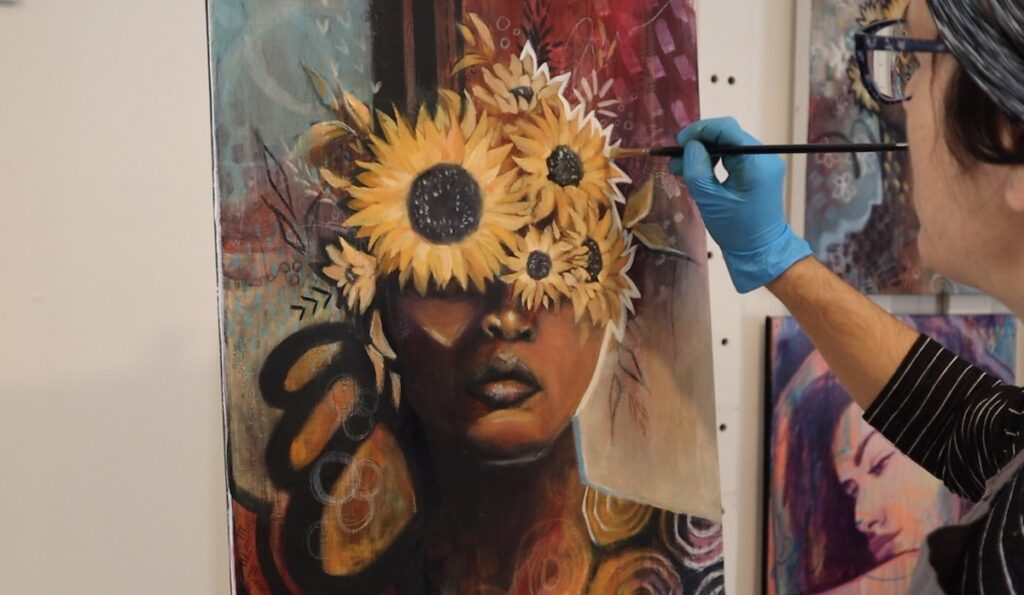
I’ve fallen head over heels in love with oil painting and over the years, have collected quite a bit of knowledge on the topic. So in this post, I’ll share with you the oil painting supplies I love to use in all my paintings and what to look for.
Disclaimer: some links used in this post are affiliate links, which means I’ll earn a small commission if you purchase using my links at no extra cost to you. I only recommend products I think will be helpful to you and bring you one step closer to creating beautiful acrylic masterpieces!
What exactly is oil paint?
Oil paint is a mix of pigment with a drying oil like lintseed or walnut oil to create a rich, creamy texture with a very long curing time, allowing for optimal blending and taking ones’ time on the canvas. In other words, painting with oils is not a race against the clock like with acrylics. Its a slower practice that forces you to slow down and enjoy the medium.
Oil Paint Brands I Like
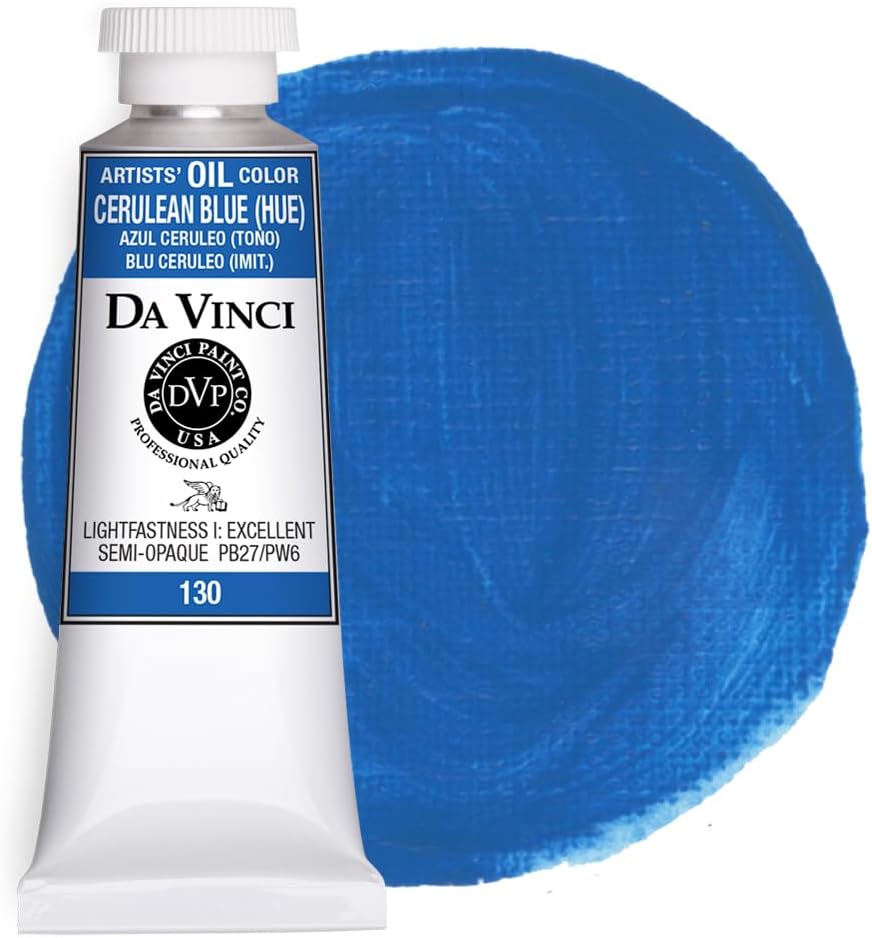
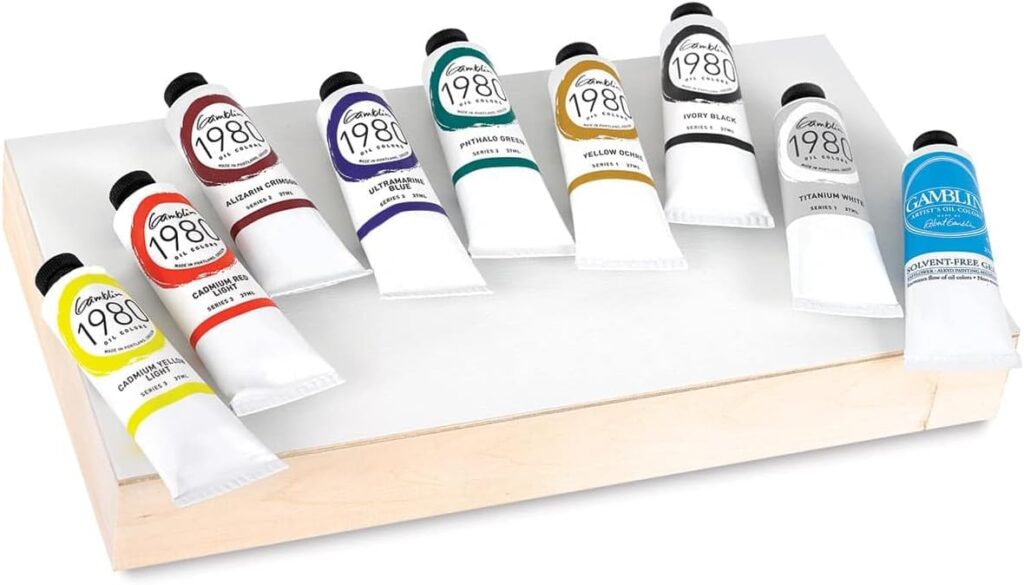
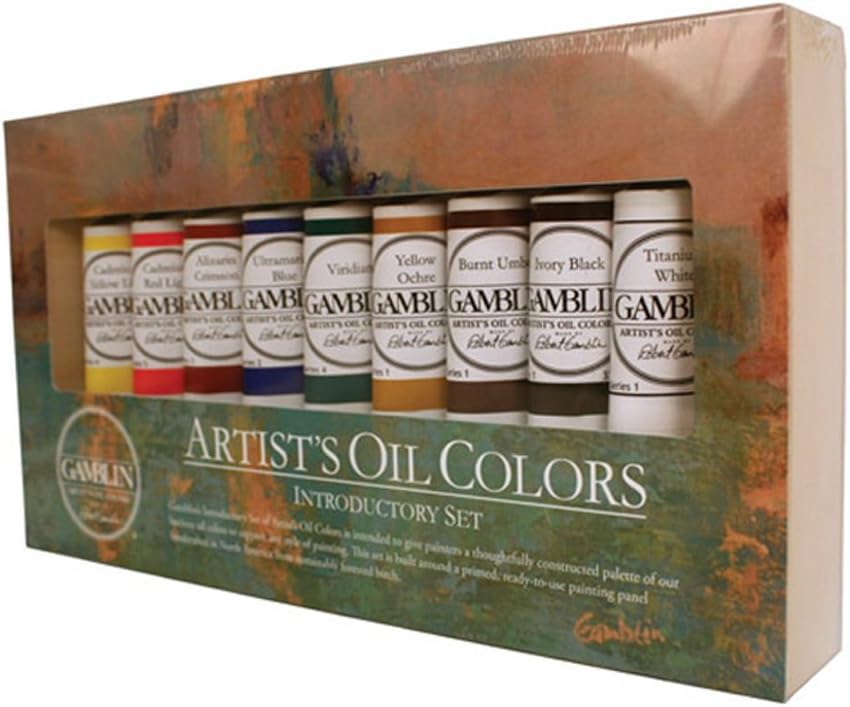
There are quite a few oil paint brands out there, but I personally narrowed down the brands I love to use.
Solvents
Unlike acrylics, oil paint requires quite a few mediums – the first and most important being solvent.
Oil paint can’t be cleaned or diluted with water. That is a total recipe for disaster and will do absolutely nothing to clean your brush. The best thing to use is solvent or mineral spirit. Personally, I like to use natural citrus solvents that emit very little VOCs and are therefore a bit less toxic than the more smelly mineral spirit. My favorite one being this specific citrus solvent from EcoHouse to clean all my brushes properly.

Oil Mediums
There are a ton of different mediums you can add to oil paint to give it a particular look or texture – from gels to thin and stretch the paint without compromising its quality to wax mediums to give your paint a highly textured look.
My Favorite Thinning Medium
My favorite medium to thin and stretch my oil paint is by far- Galkyd Lite from Gamblin. A little goes a long way and helps to liquify oil paint and still hold its pigment really well- and its my favorite for making outlines and adding details.
My Favorite Texturing Medium
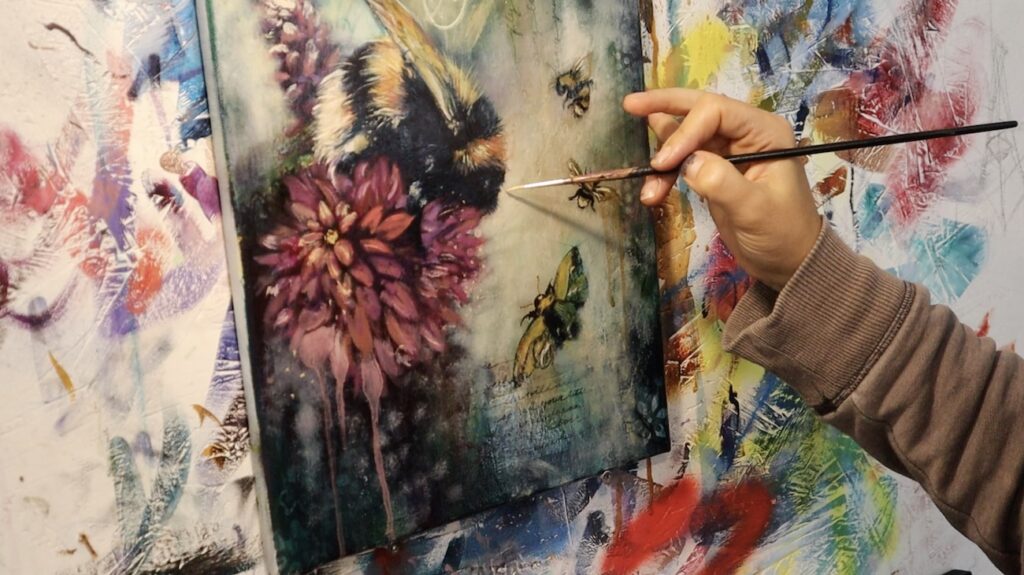
If I am looking for a more impasto-style texture, adding wax medium to my oil paint is the perfect combination – and my favorite wax medium to use is this one from Dorlond’s. It’s smooth and creamy and easy to handle with a palette knife.
Honorable Mention: Linseed Oil
Some artists love to use linseed oil in combination with their oil paint to extend the working time- I am not a saint and don’t quite have the patience to wait a week for one layer to dry. However, I know some artists swear by linseed oil, like this one.
Oil Paint Colors I Use
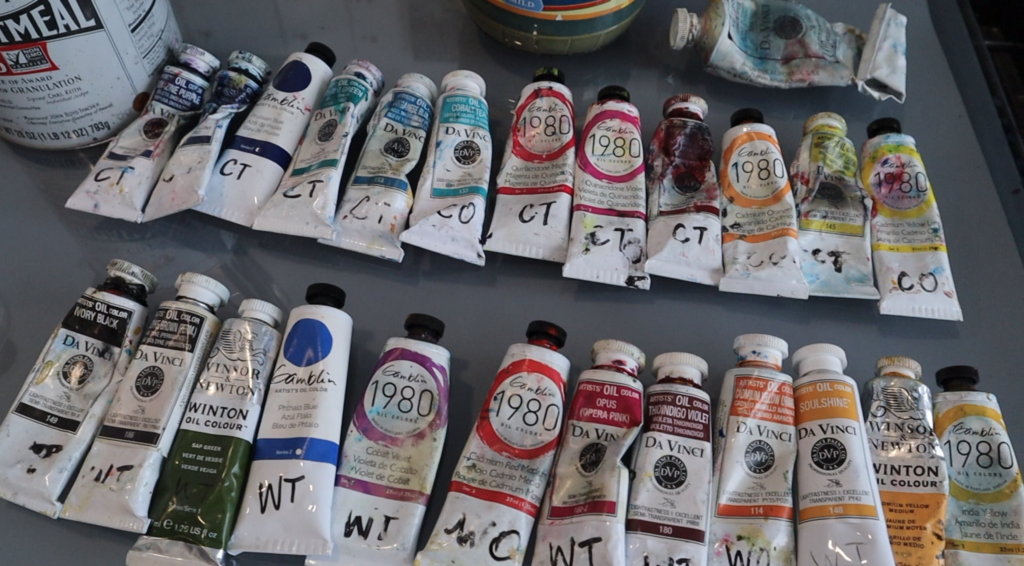
Every artist has their own unique set of colors they like to use for their paintings. I truly believe this is on the subjective side (as long as you have a warm red, warm yellow, warm blue, cool red, cool yellow, and cool blue colors), you really can’t go wrong here. This is my personal list of colors I love to use in my oil paintings:
- Fast Dry Titanium White
- Cadmium Yellow Light
- Hansa Yellow Light (Lemon)
- Cadmium Orange
- Alizarin Crimson Permanent
- Quinacridone Violet
- Quinacridone Magenta
- Cobalt Teal
- Manganese Blue (hue)
- Phthalo Green
- Prussian Blue
- Dioxazine Purple
- India Yellow
- Soulshine (PY42)
- Cadmium Yellow Medium
- Cadmium Yellow Orange
- Opus (Opera Pink)
- Cadmium Red Medium
- Phthalo Blue
- Sap Green
- Thioindigo Violet
- Cobalt Violet
- VanDyke Brown (PERM.)
- Ivory Black
Brushes
When it comes to choosing brushes, I like to have 3 different sizes: a large set of brushes, medium set, and small set. For each set, I aim to have different tipped brushes, like flat, filberts, and round brushes.
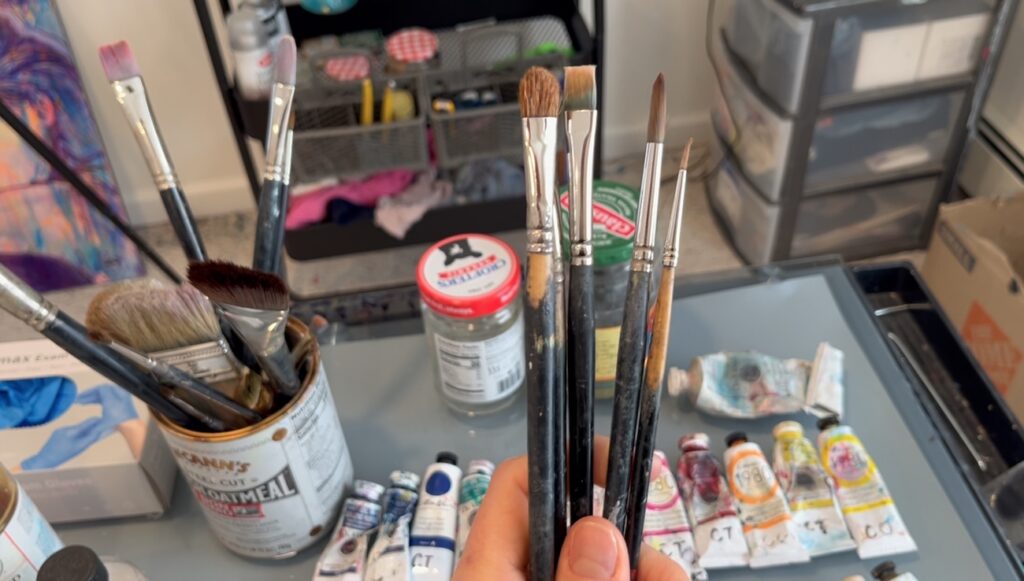
This allows me to have a fully immersive painting experience that will allow me to create without getting extremely frustrated. I also have a brush for scumbling (which is a technique to create fog or mist).
The brush set I use is the Milan Mastery Art brushes, which includes a variety of brush heads and sizes.
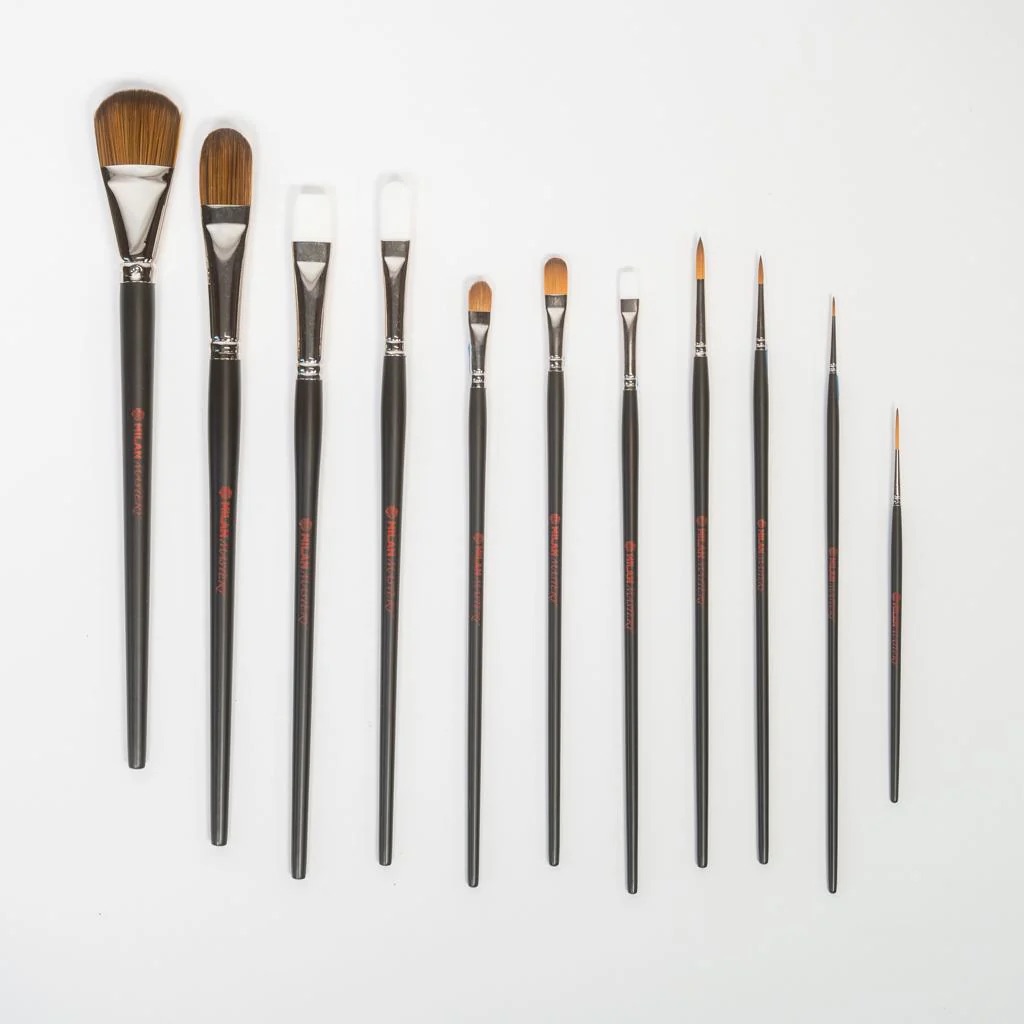
If you want a specific list of the type of brushes I have, you can find that here as well:
- Extra Large Interlock Filbert: 1.75 inch
- Large interlock bronze filbert: 1 inch
- Large white synthetic filbert: 0.5 inch
- Large white synthetic square bright: 0.75 inch
- Medium white synthetic square bright: 0.25 inch
- Medium natural interlock sable filbert: 0.25 inch
- Medium synthetic golden filbert: 0.25 inch
- Medium synthetic round: 0.03 inch
- Small synthetic round detail: 0.02 inch
- Synthetic round: 0.01 inch
- Synthetic script: 0.01 inch
Palettes
When it comes to paint palettes to use with oil paint, the best one I have come across by far is a glass palette. Glass palettes make for a great mixing surface and is very easy to clean after a painting session (with a generous spraying of rubbing alcohol on top and a paint scraper of course!).
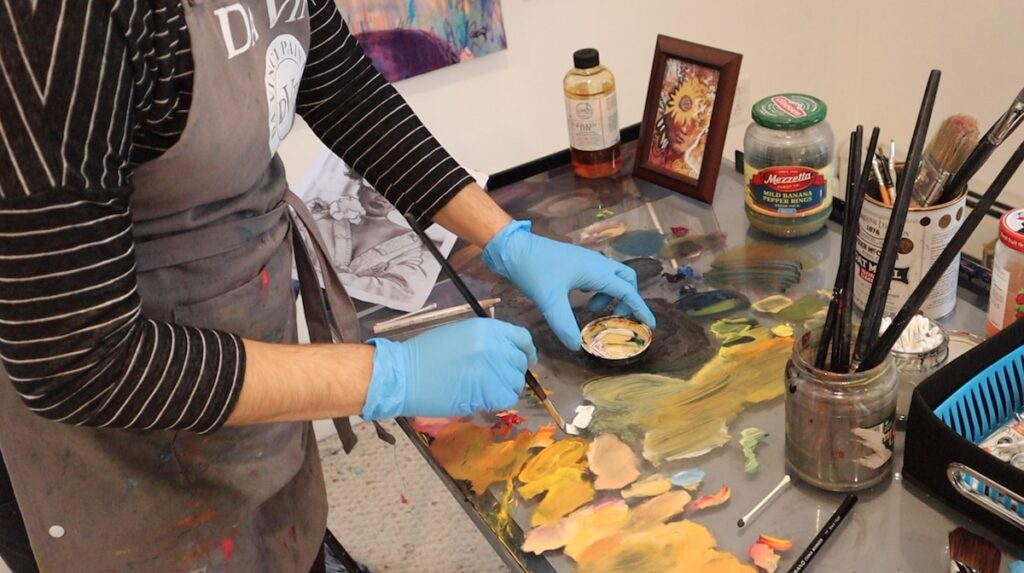
Plus, the larger the palette, the better the experience. My all time favorite glass palette is a converted glass drafting desk I had gotten years ago when I first started my painting journey.
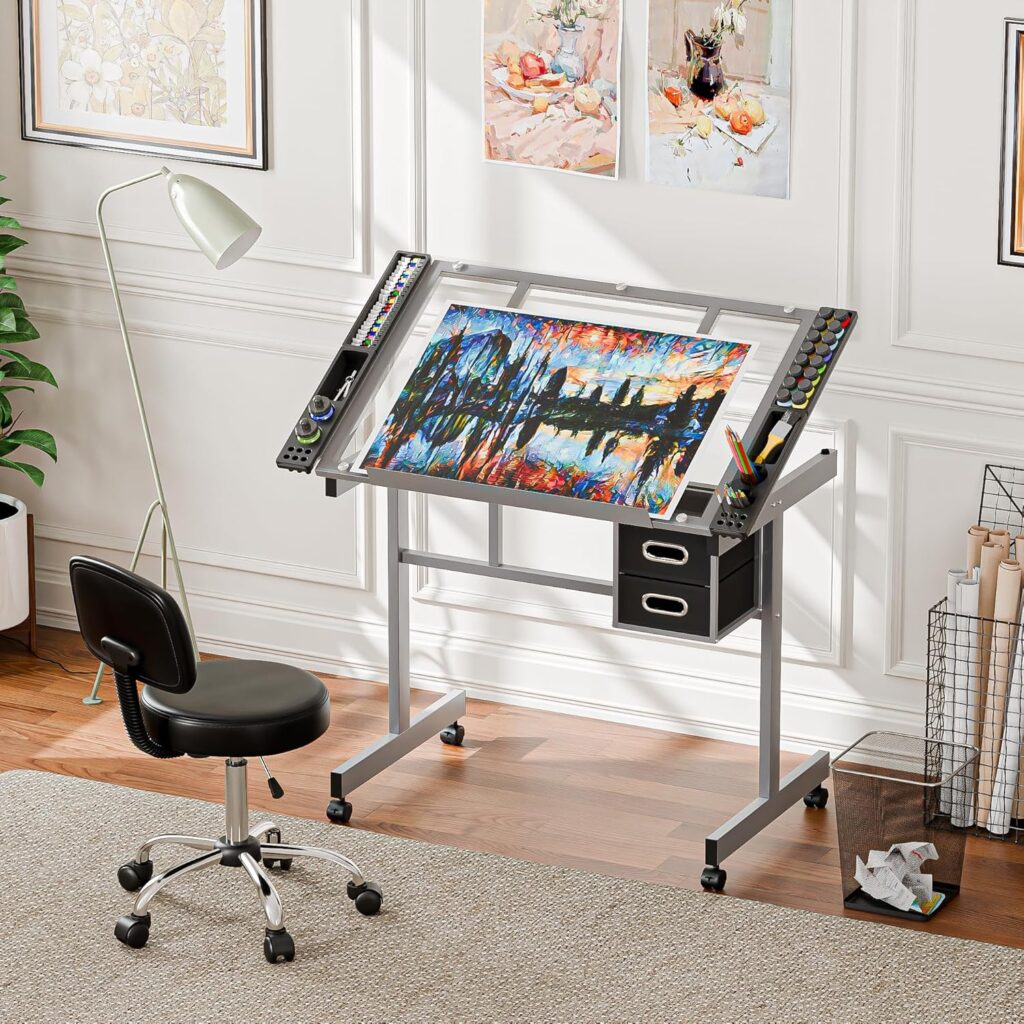
If a glass palette is not in the cards, another great option is using disposable palette paper, giving you a very quick clean up time.
A few safety notes
Oil paint, solvents, and mediums used can emit VOCs or odors that may cause light-headedness – so it’s a good idea to always have ventilation in your painting area and cracking a few windows open too.
Whenever I paint with oil or acrylics, it’s a good idea to keep yourself safe by wearing gloves. These vinyl gloves are great for getting the job done – no more hours of scrubbing pigment off your hands.
Varnish for Oil Paint
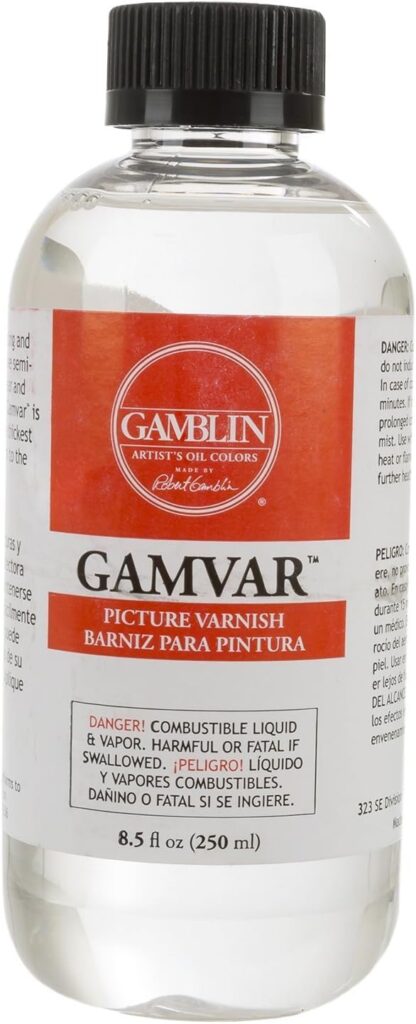
Oil paint takes a notoriously long time to cure (about 6 months or so), and if you’re a working artist, with deadlines, this can be a tricky situation. Certain varnish brands only work well after the full cure time and varnishing prior to a full cure can lead to cracking.

However, Gamblin makes a varnish called Gamvar that only requires the painting to be touch dry in order to use. And after personally using Gamvar for multiple paintings, I can report that the paintings show no sign of cracking.
Concluding Thoughts on Oil Paint Supplies I Use
When it come to oil painting, having the right tools and paint can make a huge difference behind the easel, from the types of brushes to the right paint brands that give your painting that oomph you’re looking for. What’s important is you find the tools that work best for you.